


Revenue Cycle Management
Manage revenue-cycle workflows from patient access and charge capture through claims, payment posting, A/R, denials and reporting.

Denied claims, aging A/R, missed charges and billing delays can quietly drain hospital revenue.Dastify Solutions combines hospital billing expertise, AI-assisted technology and dedicated billing specialists to manage critical revenue-cycle workflows; from billing and coding to claims, payments and follow-up so your team can focus on patient care.
Claim denials & rejections
90+ day A/R backlog
Missed charges
Coding & documentation issues
Underpayments & discrepancies
Payer follow-up gaps
Billing workflow inefficiencies
Limited revenue visibility
Dastify Solutions helps hospitals strengthen revenue-cycle performance while managing complex payer requirements and billing workflows. Our enterprise healthcare billing services are built to support high-volume operations and evolving billing needs.
Revenue Cycle Management
Manage revenue-cycle workflows from patient access and charge capture through claims, payment posting, A/R, denials and reporting.
Medical Billing & Coding Services
We support coding, documentation review, charge capture, claim preparation, and submission with AI-assisted validation and certified coding expertise.
Denial & A/R Management
We identify denial trends, prioritize aging A/R, manage appeals, and pursue unpaid or underpaid claims through structured payer follow-up.
Medical Billing Audit Services
Review billing, coding, documentation, and payment workflows using intelligent validation and expert review to identify errors, compliance risks and potential revenue leakage.
Credentialing & Payer Enrollment
Manage provider enrollment, re-credentialing, CAQH, NPI, and payer requirements to support active payer participation.
Have a 90+ Day A/R Backlog?
Identify where revenue is getting stuck. Prioritize recoverable accounts. Accelerate payments.
When a claim is denied, we identify the reason, review the underlying billing or documentation issue, make appropriate corrections and submit appeals when warranted. Our team tracks appeal deadlines, status and outcomes to help prevent missed reimbursement opportunities.
Less manual work. Fewer preventable issues. A smarter revenue cycle.
Dastify combines RPA and certified billing specialists to simplify repetitive hospital and enterprise billing workflows. Automation supports defined processes while experienced billing professionals provide review and oversight.
Claim & Workqueue Processing
Automate repetitive routing and task-based workflows.
Eligibility & Status Checks
Support routine verification and status-check processes.
Payment & Posting Workflows
Help automate repetitive reconciliation and posting tasks.
A/R Worklists
Route and prioritize accounts based on defined rules.
Payer Follow-Up Tasks
Automate routine follow-up workflows and status tracking.
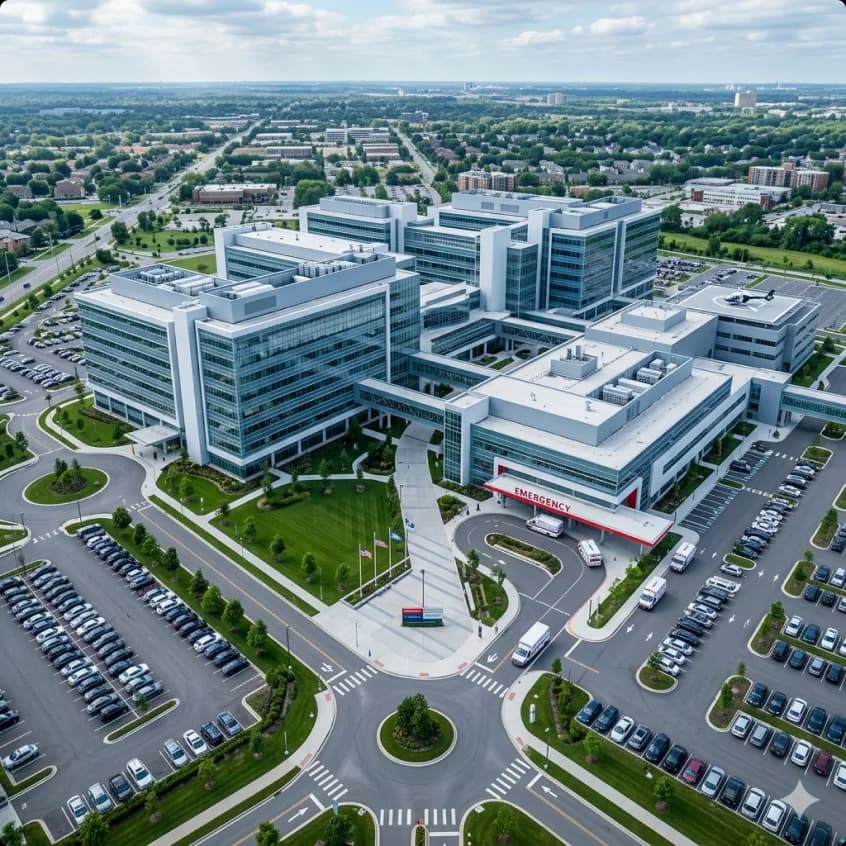
We offer customized hospital billing services for a broad range of healthcare providers across the U.S. including:
Hospitals & Health Systems
Specialty & Multi-Specialty Organizations
Surgical, Diagnostic & Outpatient Facilities
We work within your existing EHR, EMR, and billing environment, with experience across 50+ platforms, helping improve revenue-cycle performance without disrupting your workflow.










We maintain full alignment with U.S. hospital billing laws and healthcare regulations through continuous staff training, quarterly compliance audits and billing workflows built specifically around current CMS and payer requirements.
CMS Hospital Price Transparency Requirements
No Surprises Act Requirements
340B Program Requirements
CMS Conditions of Participation
Condition Code 44 Requirements
OIG Audit & Program Integrity Requirements
State-Specific Balance Billing Requirements
Hospital Billing Expertise
Multispecialty Support
Multi-Location Support
Flexible Engagement Models
Performance Monitoring
Dedicated Billing Specialists
Yes. We manage the broader revenue cycle for hospital-based telehealth services, from coding and claims through payer coordination, payment tracking, and reimbursement.
Yes. We support value-based reimbursement through integrated billing, coding, documentation, and reporting workflows designed to strengthen data accuracy, reimbursement integrity, and financial visibility.
Onboarding can begin within 24 hours. Implementation depends on your systems, payer requirements, A/R volume, and workflow complexity. Our team manages the transition through go-live to minimize disruption and maintain billing continuity.
We follow HIPAA-focused security and operational practices designed to safeguard protected health information (PHI). Business Associate Agreements (BAAs) are established when required, with secure workflows supporting the confidentiality and integrity of patient data.
Yes. Service changes or cancellation are handled according to your agreement, with Dastify Solutions supporting a structured transition, continuity of information and minimal disruption to your revenue-cycle operations.
Pricing is tailored to your service scope, claim volume, facility type, payer mix, A/R requirements and workflow complexity. Dastify Solutions provides a customized pricing structure based on the level of support your organization requires.

Hey 👋 I am Andy, Head of Business Development
Let's talk about your growth with Dastify Solutions